How Third-Party Payers Shaped the Way Doctors Document

Doug Jorgensen
April 27, 2025
Introduction: When the Audience Changed, So Did the Script
Medical documentation was once written by doctors, for doctors—a direct communication tool between clinicians.
Then third-party payers entered the scene, and suddenly the primary audience wasn’t another physician—it was an insurance company.
The shift from “What does the next doctor need to know?” to “What will the payer accept?” has transformed the way we write notes.
Step 1: The Payer Influence on Documentation
Third-party payers brought new expectations:
- Coding requirements tied to reimbursement.
- Medical necessity rules that must be proven in writing.
- Audit readiness—notes must be defensible under scrutiny.
- Detailed checklists to justify every billed service.
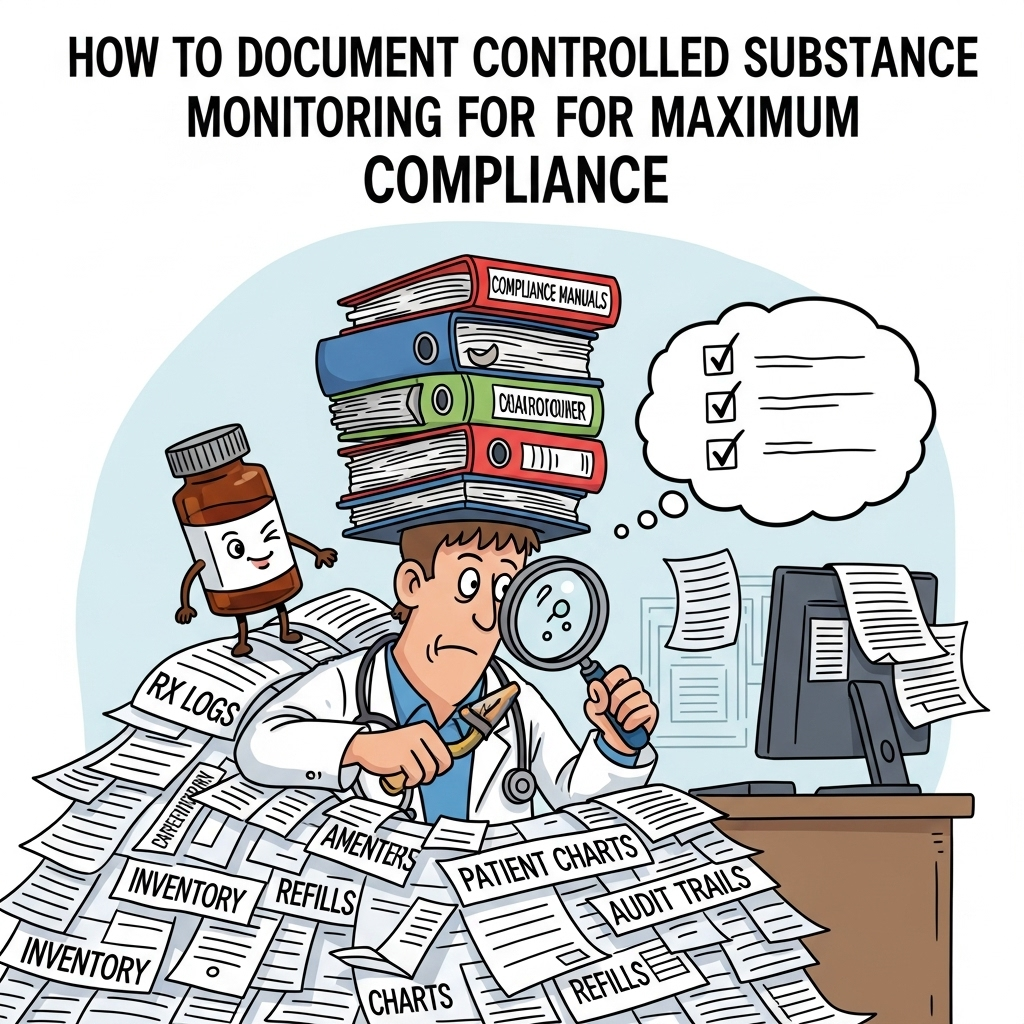
What began as a tool for clinical care is now a compliance document.
Step 2: The Expansion of the Note
Before payer involvement:
- A concise note could stand on its own.
After payer involvement:
- More detail was required—not necessarily to improve patient care, but to satisfy billing guidelines.
- EHR templates evolved to capture payer-mandated elements.
- The volume of documentation grew, but not always the quality.
Step 3: The Consequences for Clinical Practice
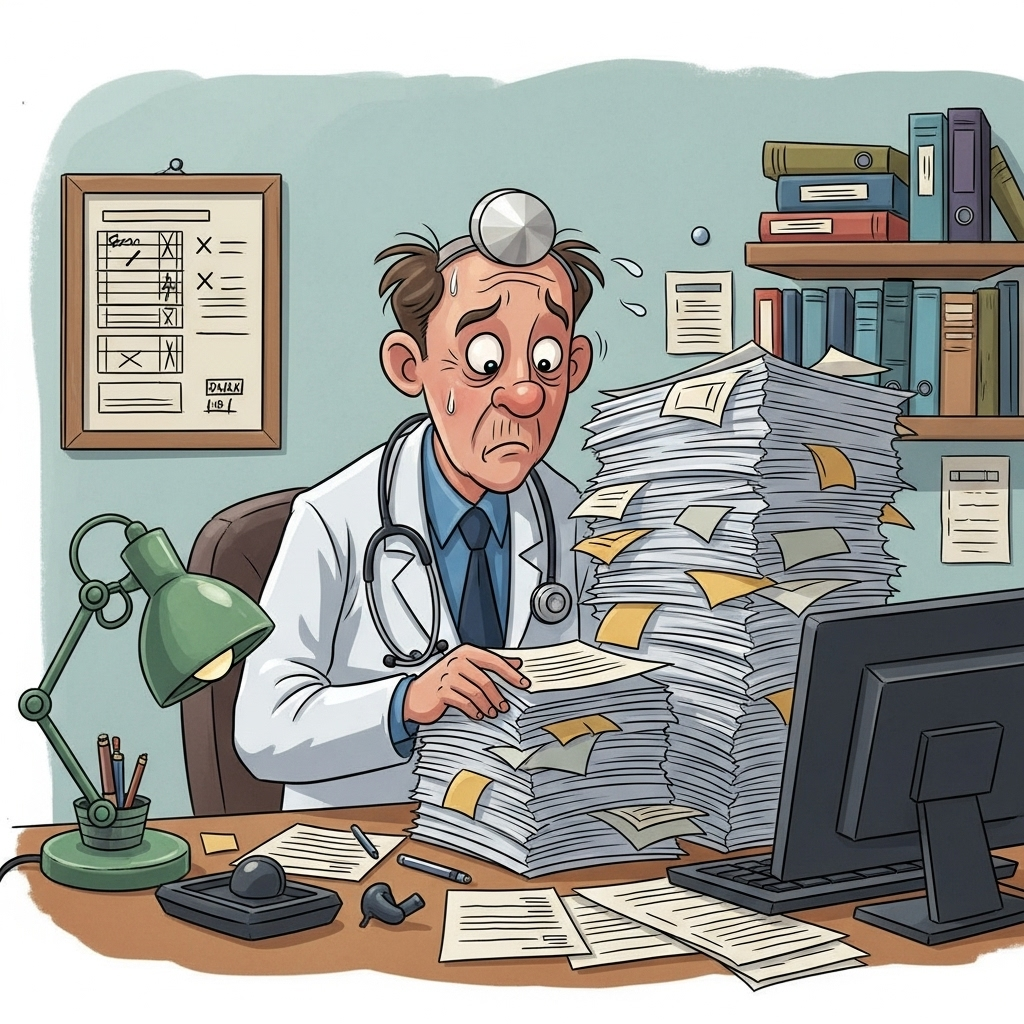
- Time Shift – More time at the computer, less with the patient.
- Overdocumentation – Adding clinically irrelevant details to meet payer requirements.
- Provider Burnout – The mental load of meeting both clinical and administrative demands.
Step 4: Finding a Healthy Balance
- Lead with Clinical Relevance – Document what’s important for patient care first.
- Layer in Compliance – Once the core clinical note is solid, ensure all payer-required elements are present.
- Use Smart Templates – Keep prompts for mandatory details, but avoid overloading with unnecessary clicks.
- Train for Efficiency – Teach staff and scribes how to gather payer-required information without slowing the visit.
Step 5: Why This Matters for Compliance and Legal Protection
- If documentation is incomplete, payers can deny claims or demand repayment.
- If documentation is inaccurate or exaggerated to meet requirements, it can trigger fraud allegations.
- Balanced documentation protects both the patient and the provider.
Common Mistakes to Avoid
- Writing solely for the payer and losing clinical clarity.
- Copying generic language that doesn’t apply to the actual encounter.
- Overcomplicating notes to the point where they’re unreadable.
- Ignoring payer rules entirely and risking reimbursement loss.
Final Thoughts: Write for All Your Audiences
Today, every note has multiple readers—patients, other providers, payers, auditors, and even attorneys.
The challenge is to serve all audiences without letting one overshadow the others.
When payer requirements and clinical needs collide, your skill as a documenter is what keeps the note both useful and compliant.
About the Author
Douglas J. Jorgensen, DO, CPC, FAAO, FACOFP
Dr. Doug is a physician, consultant, and national educator on healthcare compliance, documentation strategy, and payer relations. He helps providers write notes that meet payer demands without sacrificing clinical integrity.